Cley Marshes in Norfolk is possibly the best bird reserve in England. It's home to many uncommon breeding birds and (because it is watched so intensively) it often turns up rarities. I spent the weekend with friends at nearby Blakeney and walked the marshes several times.
One bird that Cley is most famous for (and is the symbol of the RSPB) is the
pied avocet, with 60+ breeding pairs every year. They are elegant and photogenic, but extremely territorial. After building their simple nests on the lagoon islands they spend most of their time chasing away every duck that's foolish enough to land in the water.
 |
| Pied avocet, a breeding bird at Cley |
The weather was breezy but sunny so there were plenty of photo opportunities of the commoner residents.
Sedge warbler, goldfinch and
common whitethroat were present in good numbers and often singing from the bramble bushes dotted amongst the reeds. Somewhat more elusive were the resident
bearded tit, they didn't sit up for photos but I did manage to glimpse a couple as they flew amongst the reeds with their long tails and characteristic
pink calls. Another Norfolk speciality is
marsh harrier and up to three birds were regularly seen quartering the reed beds.
 |
| Common whitethroat |
 |
| Sedge warbler |
 |
| Colourful goldfinch were common at Cley |
As usual the reserve held a few rarities, we dipped on
pectoral sandpiper and
red-backed shrike but did manage to catch up with a
wood sandpiper in nice breeding plumage on Arnold's Marsh and a female
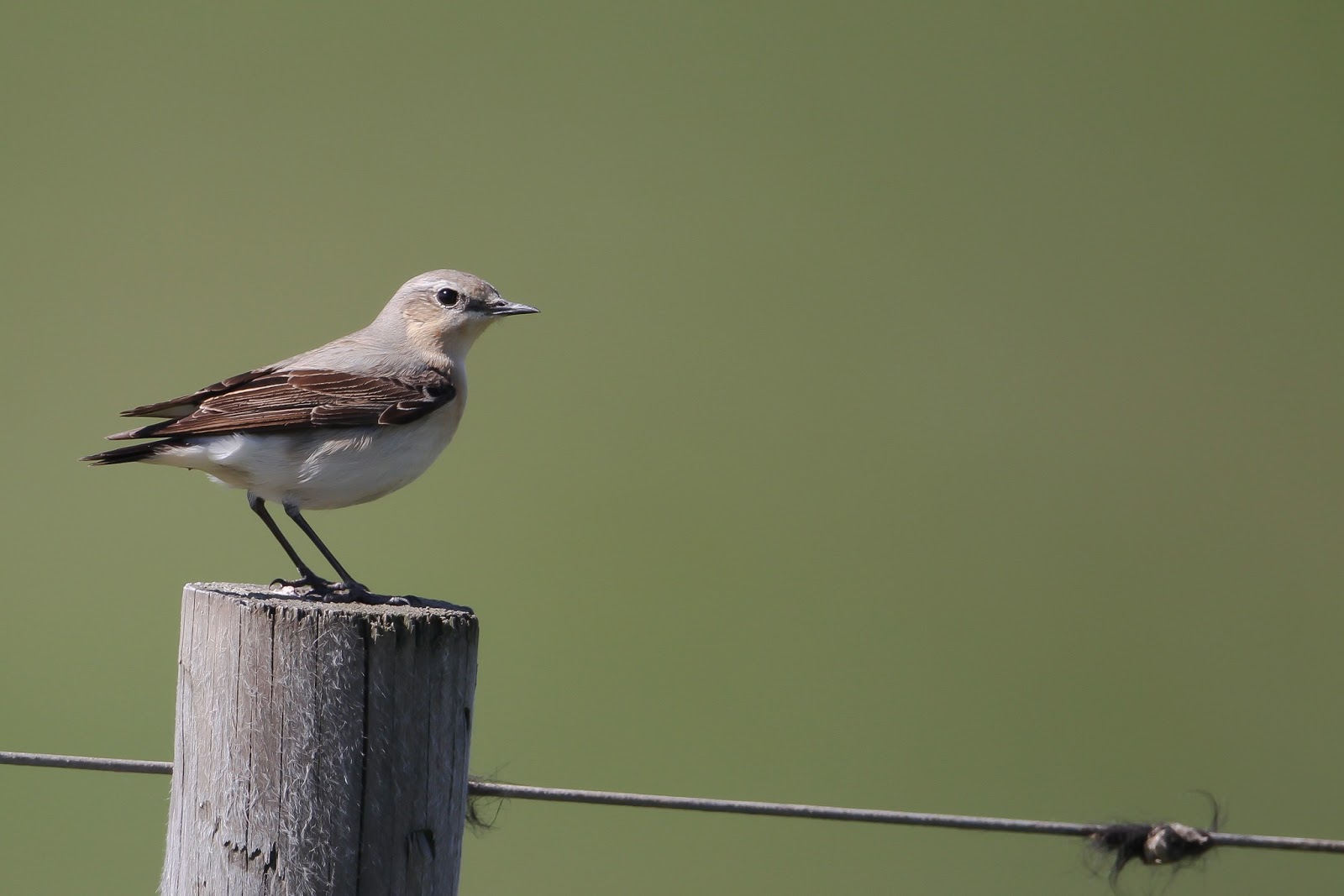
northern wheatear was a good find near the beach.
 |
| Northern wheatear |
Among the more obvious breeding birds were
greylag goose and
northern lapwing. The latter nesting in the pastures and at one point disturbed by a
stoat that was seen working it's way along the bank of the roadside stream.
 |
| Greylag goose |
 |
| Northern lapwing |
Duck numbers are fairly low this time of year but
shelduck breed on the reserve and
tufted duck,
gadwall and
pochard were still present.
 |
| Common shelduck, this one is a male |
 |
| A male tufted duck |
 |
| A drake pochard |
The beach and sea were fairly quiet with a few birds moving far offshore but oystercatcher were preparing to nest amongst the dunes.
 |
| Oystercatchers nest in the beachside dunes area |
Here's the list of birds we saw at Cley over the weekend. The
wood sandpiper is an addition to my UK list.
- Greylag goose
- Canada goose
- Mute swan
- Egyptian goose
- Common shelduck
- Gadwall
- Mallard
- Northern shoveler
- Common pochard
- Tufted duck
- Red-legged partridge
- Common pheasant
- Great crested grebe
- Great cormorant
- Grey heron
- Little egret
- Eurasian marsh harrier
- Common moorhen
- Eurasian coot
- Northern lapwing
- European golden plover
- Common ringed plover
- Little ringed plover
- Eurasian oystercatcher
- Pied avocet
- Wood sandpiper
- Common redshank
- Bar-tailed godwit
- Red knot
- Dunlin
- Black-headed gull
- Herring gull
- Lesser black-backed gull
- Little tern
- Common tern
- Sandwich tern
- Feral pigeon
- Common woodpigeon
- Common cuckoo
- Common swift
- Common kestrel
- Common magpie
- Eurasian jackdaw
- Rook
- Bearded tit
- Skylark
- Sand martin
- Barn swallow
- Common house martin
- Great tit
- Common chiffchaff
- Sedge warbler
- Common whitethroat
- Northern wheatear
- European robin
- Eurasian blackbird
- European starling
- Dunnock
- Pied wagtail
- Meadow pipit
- Reed bunting
- European goldfinch
- Common linnet
- House sparrow